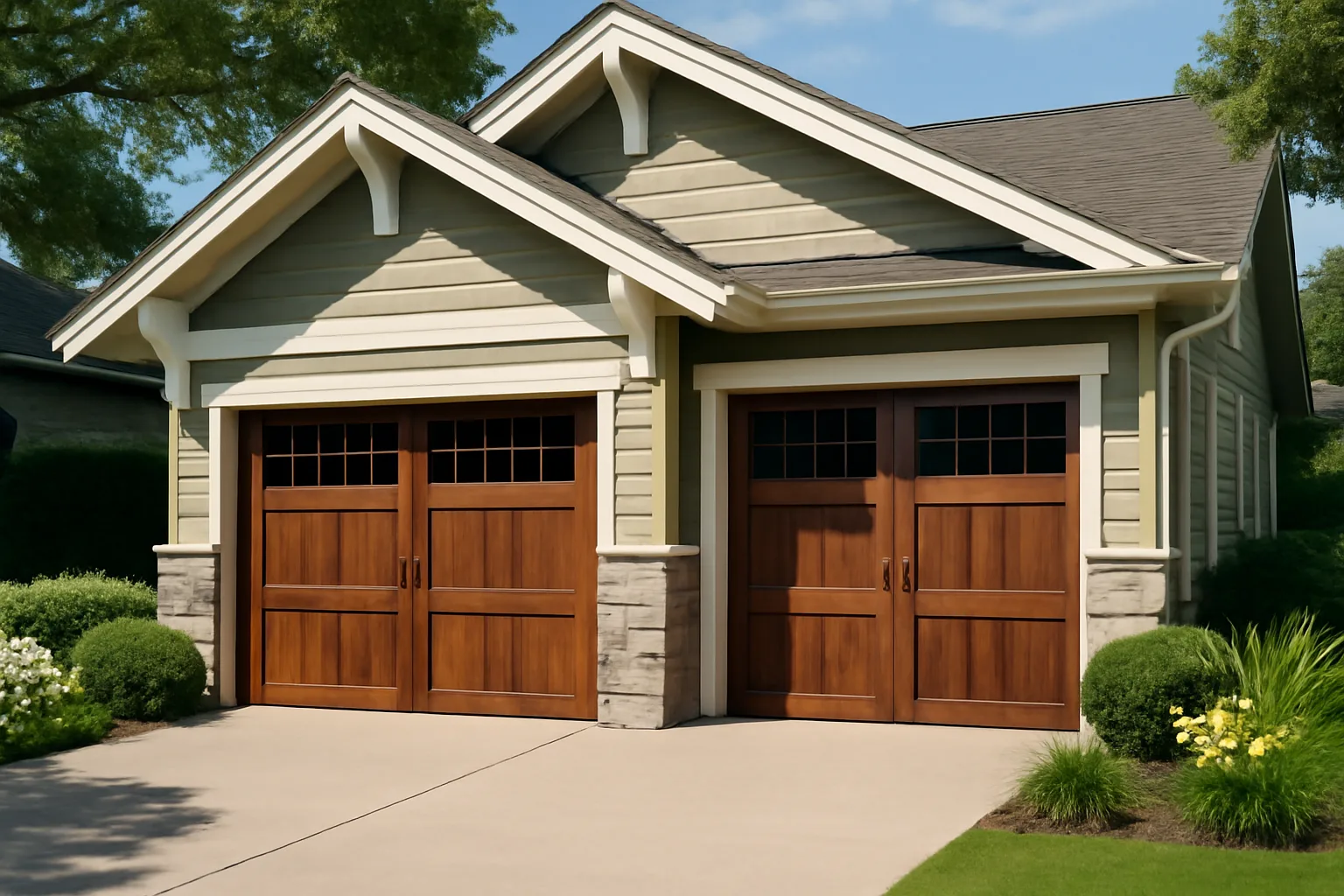
Garage doors in Swansea, Bristol County, MA are what Swansea MA Garage Door Repair fixes.
The proposed part, the fault found and the total should belong to the same explained scope. These questions help you check that connection before deciding.
- LiftMaster
- Chamberlain
- Genie
- Clopay
- Amarr
- Wayne Dalton
Garage Doors in Swansea, Answered
What should I ask before comparing repair totals?
Read the included work and identify the arrangement being corrected. A single spring, paired replacement and complete installed product can sit under similar broad headings while representing different scopes and results.
Does a warning light identify a failed part automatically?
No. The exact model, indicator and sequence need interpretation with matching instructions. The physical door behavior matters too, because an operator can report a condition caused outside the electronic unit.
Can I ask which old components would remain?
Yes. A useful proposal describes retained equipment as well as new parts. Ask how its condition and compatibility support the result, particularly when a door or operating arrangement changes.
How is Swansea service arranged?
Call (774) 332-7590 with your town, ZIP and current panel position. Explain the observed behavior and safe access. Telephone booking allows the visit window and person authorizing work to be agreed directly.
Is telephone contact available overnight?
The line is available 24 hours a day, with same-day service offered. Confirm timing for the actual request and mention any exposed opening or unstable assembly before focusing on an accessory fault.
What if another repair is recommended alongside the first?
Ask which finding supports it and how it affects the intended result. Related damage may need correction, but each included item should have an explanation distinct from optional features you might prefer.
Should a memory wipe be used before the visit?
Preserve the warning and model details first. Erasing controls can remove working programming without changing the original cause. Any permitted reset should follow the unit's own instructions rather than a generic sequence.
Can I use the operator to straighten a leaning door?
Do not attempt another powered movement. Uneven support or displaced guiding hardware can worsen under additional force. Leave the controls unused, keep the path clear and describe the position when calling.
Are Ocean Grove and Somerset listed here?
Both are included on this page's neighboring coverage record. Give the actual location and ZIP during the call, then confirm access and visit timing rather than treating the list as a schedule.
What should I retain after repair or installation?
Keep the work description, selected specification and matching instructions. They identify the actual setup and any control changes, making later operating or service questions more precise than a broad product label.
What does the spring specification need to match?
The current door weight and configuration guide the support required. Earlier panel changes can matter. A replacement selected only because it resembles the old coil may overlook the actual assembly now fitted.
Why compare the number of springs included?
One replacement and a paired repair describe different scopes. Ask how the companion condition and completed support affect the proposal, then compare it with the corresponding category instead of choosing by total alone.
Can related lifting damage belong in the estimate?
Yes, when the inspected finding affects controlled movement. Ask which cable, drum or other condition makes the additional correction necessary and how it relates to the spring fault.
Is the system unloaded when one spring is visibly broken?
Do not assume so. Other components can remain under force, and the door may lack appropriate balance. Leave fixtures, bottom attachments and cables untouched rather than testing them by hand.
What should be explained when the repair is handed over?
Ask how support, balance and travel were checked with the relevant operator settings. Keep the scope and product information, and clarify whether any restriction remains before ordinary household use resumes.
Which details make a warning useful?
Record the model where safely accessible, the indicator producing the signal and its sequence. Explain the command and door behavior at the time. Those details are more useful than an isolated flash count.
How does a remote-only symptom affect the assessment?
Say which other controls worked. Accessory programming and compatibility need consideration, but the contrast does not establish which component is faulty without checking the installed arrangement.
Can a connected upgrade solve mechanical resistance?
No. The door needs appropriate support and guiding first. Network features accompany suitable equipment rather than making a heavy, crooked or obstructed assembly appropriate for normal operation.
What should a replacement-unit quote identify?
Ask about selected equipment, mounting fit, compatible accessories and related work on the door. A product feature label or general drive type does not establish the complete installed scope.
Why keep the protective sensors in service?
They are part of closing protection. Bypassing them to obtain a cycle does not correct the original condition. Explain an unsecured opening by phone rather than defeating a safeguard or increasing force.
What belongs beside the door product in an estimate?
Included hardware, removal, opening preparation and operator decisions should be understandable. A panel-only total does not describe the full work needed to fit and operate the chosen assembly.
How does stored equipment affect installation choice?
Room beside and above the opening can limit rails and operator layouts. Explain what needs to remain before selecting a product that requires clearance the garage may not provide.
Can the existing operator automatically remain?
Its condition and compatibility need assessment against the replacement door. Retention should be stated as a considered part of the proposal, rather than an assumption made because the unit is already there.
How should an insulation feature be evaluated?
Consider the garage use and surrounding enclosure. The door addresses one part of that space, so selecting insulation alone cannot establish a specific household energy saving or room condition.
What matters during handover of the new setup?
Confirm travel, relevant protective checks and intended controls. Keep matching manufacturer documents with the estimate and explain any changed operating arrangement to regular users before they resume use.
What should the urgent call explain first?
Describe the present panel position and whether the concern is security, trapped access or instability. Say how the garage can be reached safely before attempting another command or release.
Does releasing a raised assembly make it safe?
Not necessarily. Removing the operator connection can allow an unbalanced door to move. Leave the connection unchanged and keep out of the path while its condition is assessed.
Can I prop the door with household objects?
Do not rely on improvised supports for an uneven load or work beneath it. Keep the opening clear and describe any safe alternate entry when arranging service.
Can immediate securing work leave further repair necessary?
Yes. Ask which result the proposal covers and what operating restriction remains. Tell all users if controls must stay unused even though the opening appears closed afterward.
How should a call-out category relate to the estimate?
It provides context for its named work, while the actual proposal should describe the finding and correction. Do not assume diagnosis or an emergency label includes every related component repair without explanation.
What should an off-track inspection establish beyond position?
It should trace whether uneven support, an impact or guiding damage caused the displacement. The roller visible outside its rail may be a later consequence rather than the first failed condition.
Can a bent rail require replacement rather than adjustment?
Its condition determines whether it can guide appropriately. Ask which correction is proposed and whether related rollers, lifting parts or section damage also affect the intended result.
Why compare cable work separately from a reset?
Restoring lifting support and returning position serve different purposes. The estimate should show which finding each item corrects, rather than treating all uneven-door conditions as one interchangeable scope.
Should I pull a cable that appears slack?
Leave it and its loaded fittings alone. Appearance does not establish remaining force or the reason support changed. Describe the condition instead of trying to equalize the door by hand.
What should be checked after the correction?
Ask how the original cause was addressed and what checks covered full travel with appropriate operator settings. Retain the scope and clarify any restriction before normal use resumes.